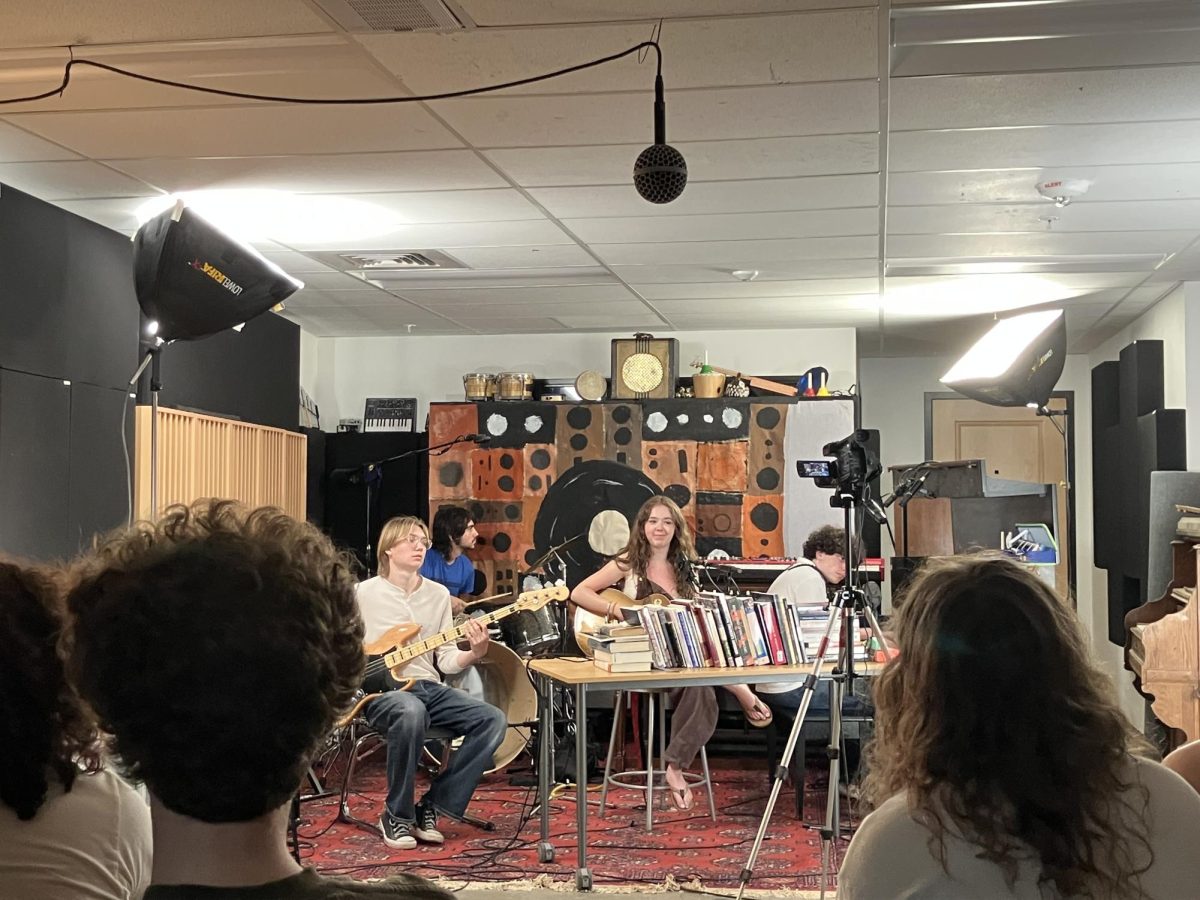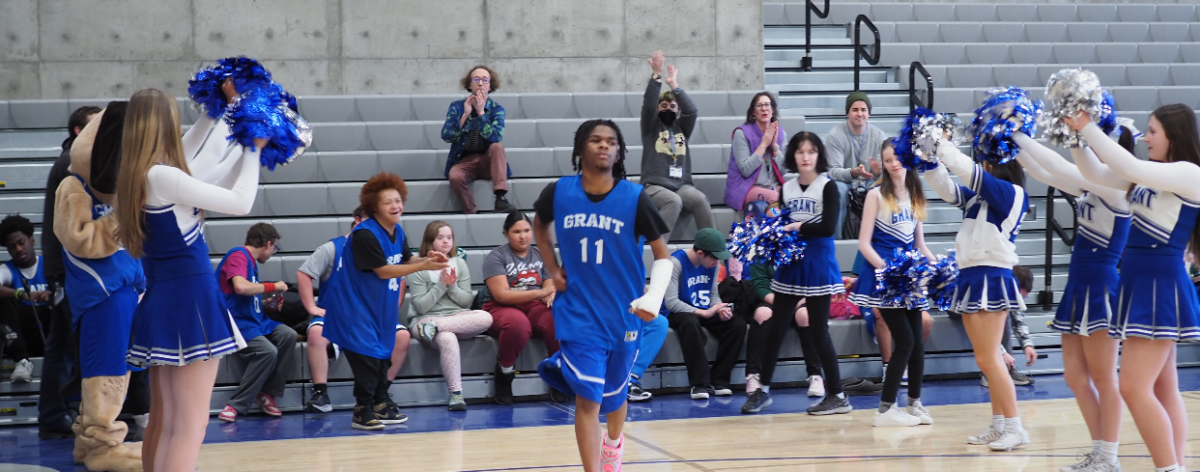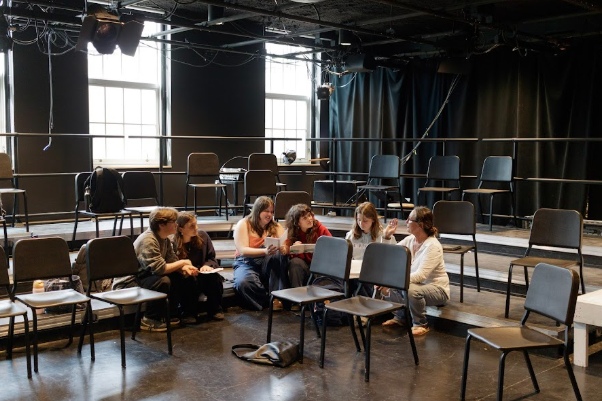

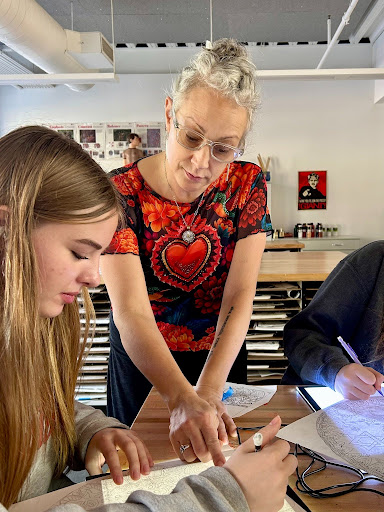
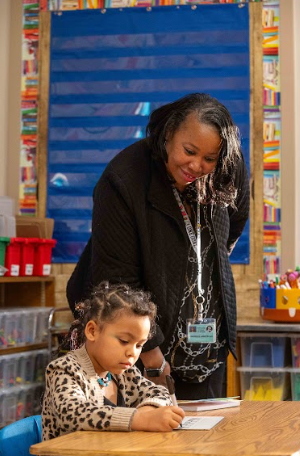


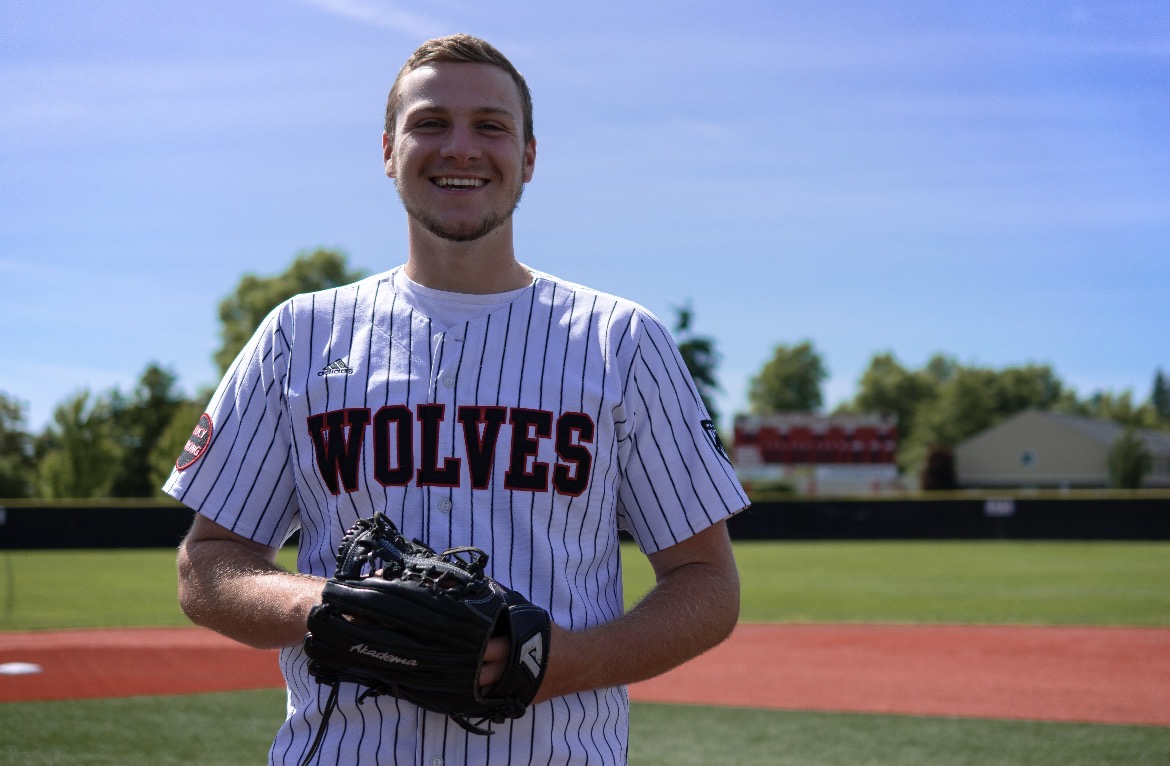









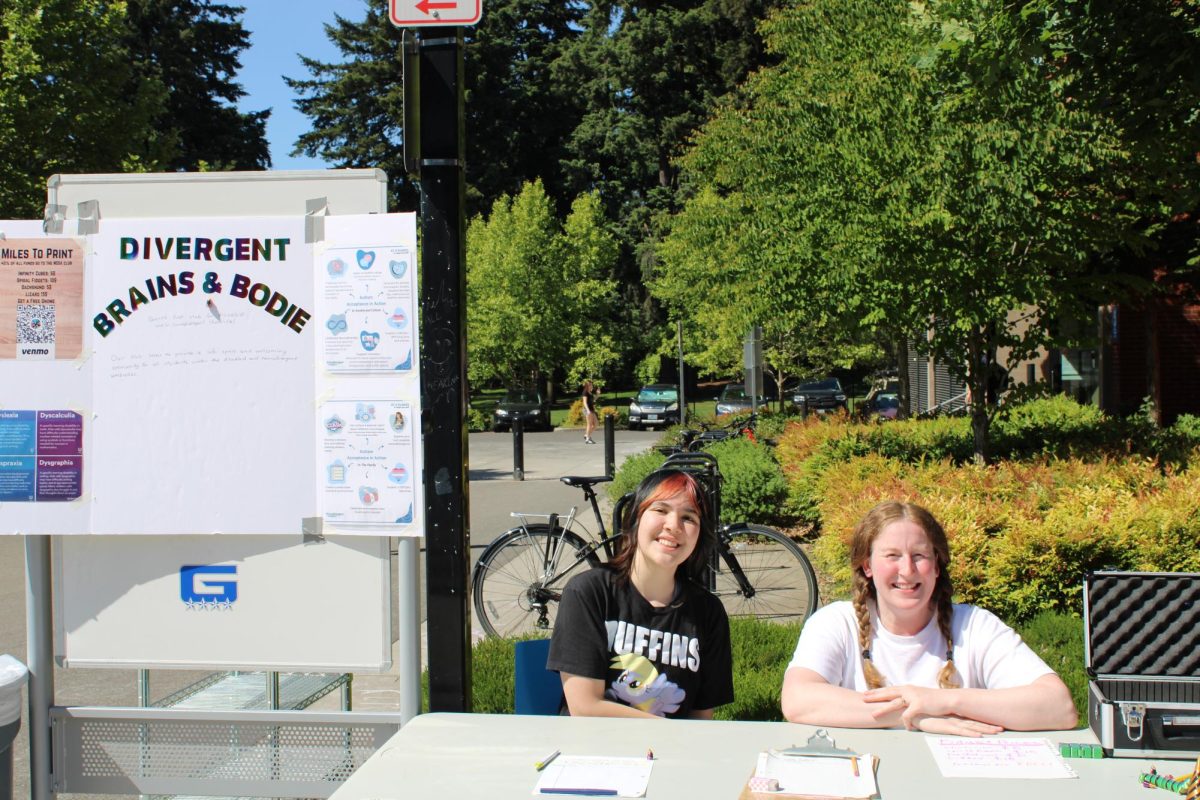
The week before spring break, Grant High School hosted a Neurodiversity Celebration Week on a scale students rarely see. With the help of student and staff leadership, educational events took place from March 16 to 20. The week was meant to honor an already globally established event, but Grant’s version was designed to work at a personal level.
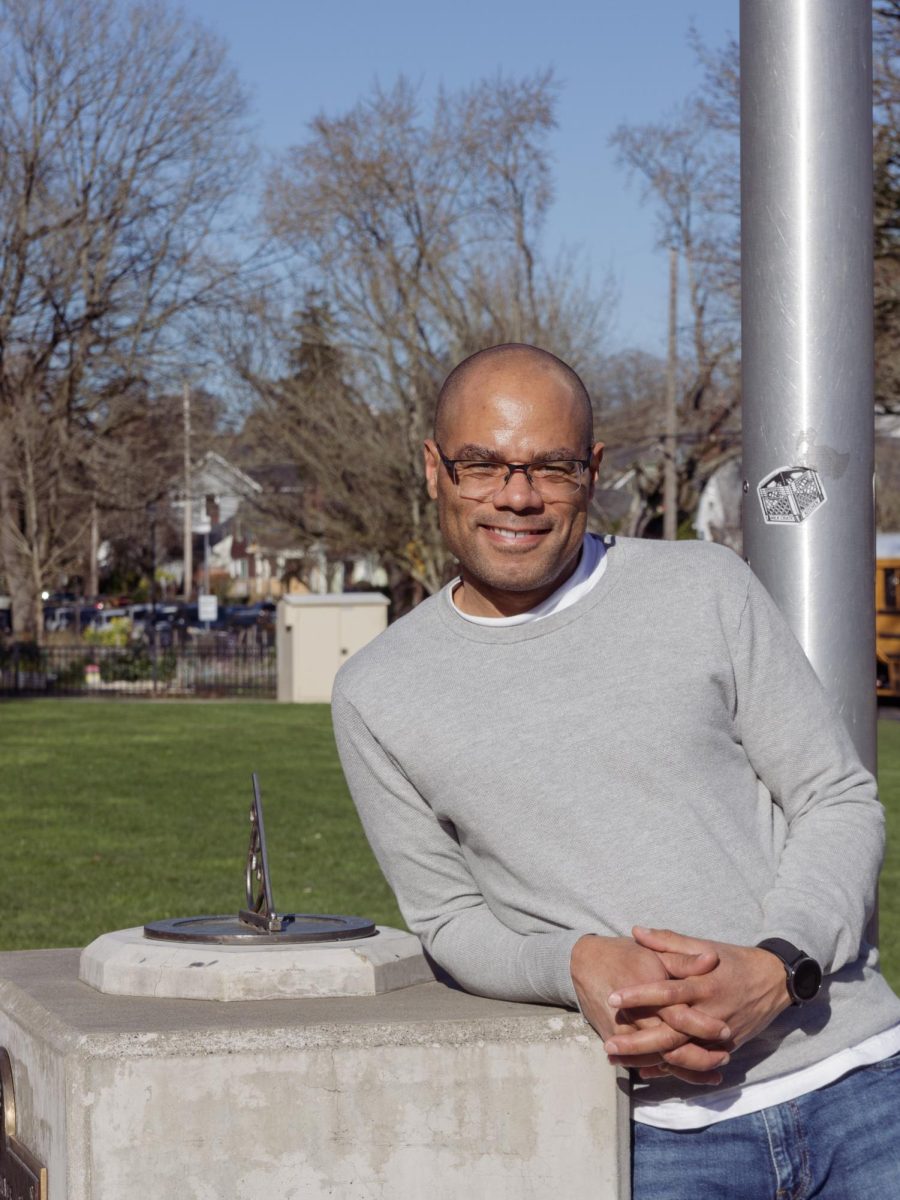
Augustus Martin, a senior at Grant, was primarily responsible for planning the week’s events. “One of my main goals was to help neurodivergent people do things,” he says. “Like keeping track of your things, getting places on time, noticing if you’re hungry, tired, or have to use the restroom. Really, a whole host of different things that are already a struggle for many teenagers, but especially neurodivergent ones.”
Martin spearheaded the planning of the week’s events, and his commitment could not have been more necessary. Adults who had tried to plan events in past years had found that the time commitment was too much for them, and thus the week’s proceedings fell short. As a student with much more free time than a special education teacher or admin might have, Martin’s passion for Neurodiversity Celebration Week was clearly shown in the amount of work he put in.
“Augustus has been a presence since he walked through the door the first day,” says Greta West, a special education teacher at Grant during Martin’s freshman year.
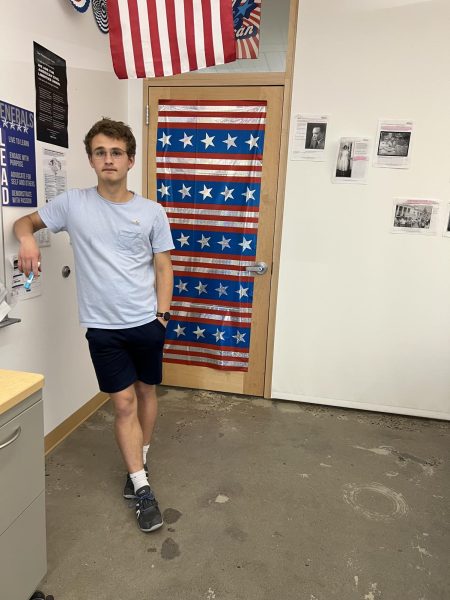
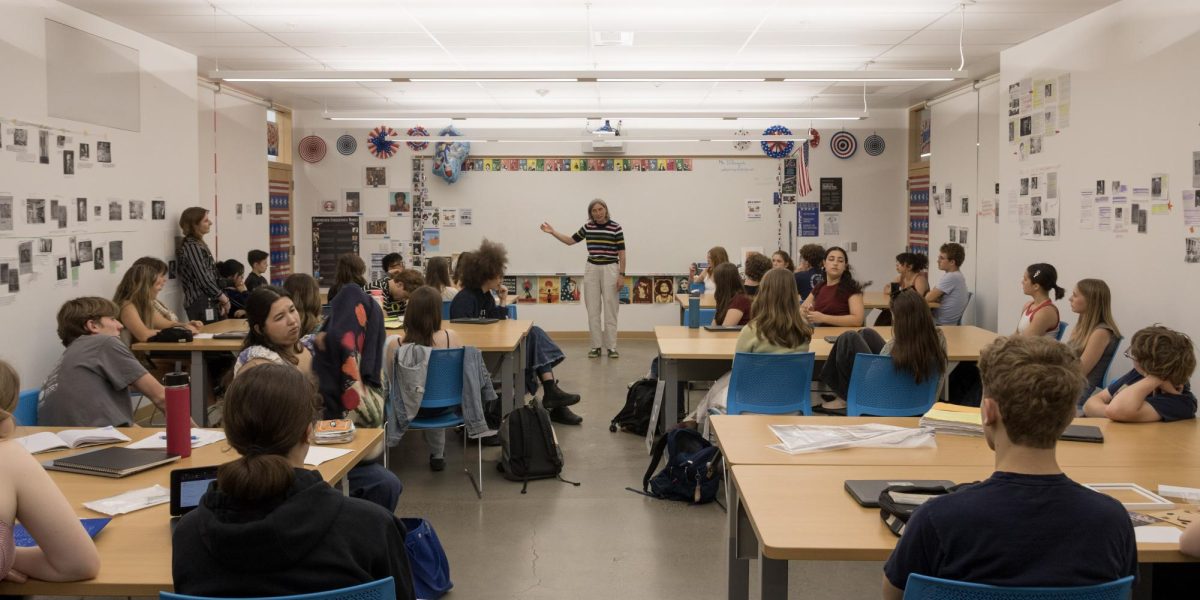
Martin’s passion and hard work allowed a full week of events to be scheduled and planned. The week began on March 16 with a kickoff party in the skills classroom run by Virginia Keil, another special education teacher at Grant. The celebration continued with Tuesday’s events, a social communication and self-advocacy workshop run by Martin and Grant’s speech pathologist, Tristan Trotter.
Wednesday yielded the best turnout, with a hands-on fidget workshop. On Thursday, Grant hosted a panel of neurodivergent students and staff, including Martin and a few of his peers. To top it all off, there was an executive functioning workshop on Friday.
Neurodiversity may be recognized and acknowledged in this day and age, but even Portland Public Schools’ policy is rooted in inequity. The 2026 Neurodiversity Week was not the first time Grant affiliates have tried to balance these injustices. This is why Martin employed the help of Keil and West.
The team had previously broached the idea of a general education neurodiversity studies class to the district and attempted to establish a neurodiversity affinity club at Grant. In this effort, they found an excess of red tape around the very same opportunities available to other minority groups.
“There are no affinity groups for disability, the district does not support them and they will not pay a staff member to help run it. And I think that’s a major gap that we have,” Keil says.
Neurodiversity Week was a stride in ripping those barriers, and those at the head of Grant’s Neurodiversity Week planning encourage students to take steps in their everyday lives to further the effects of this trail-blazing event.
“Try to give that weird, quiet, awkward kid a little bit more grace, just in your day-to-day life,” Martin says.