











Warren McPherson
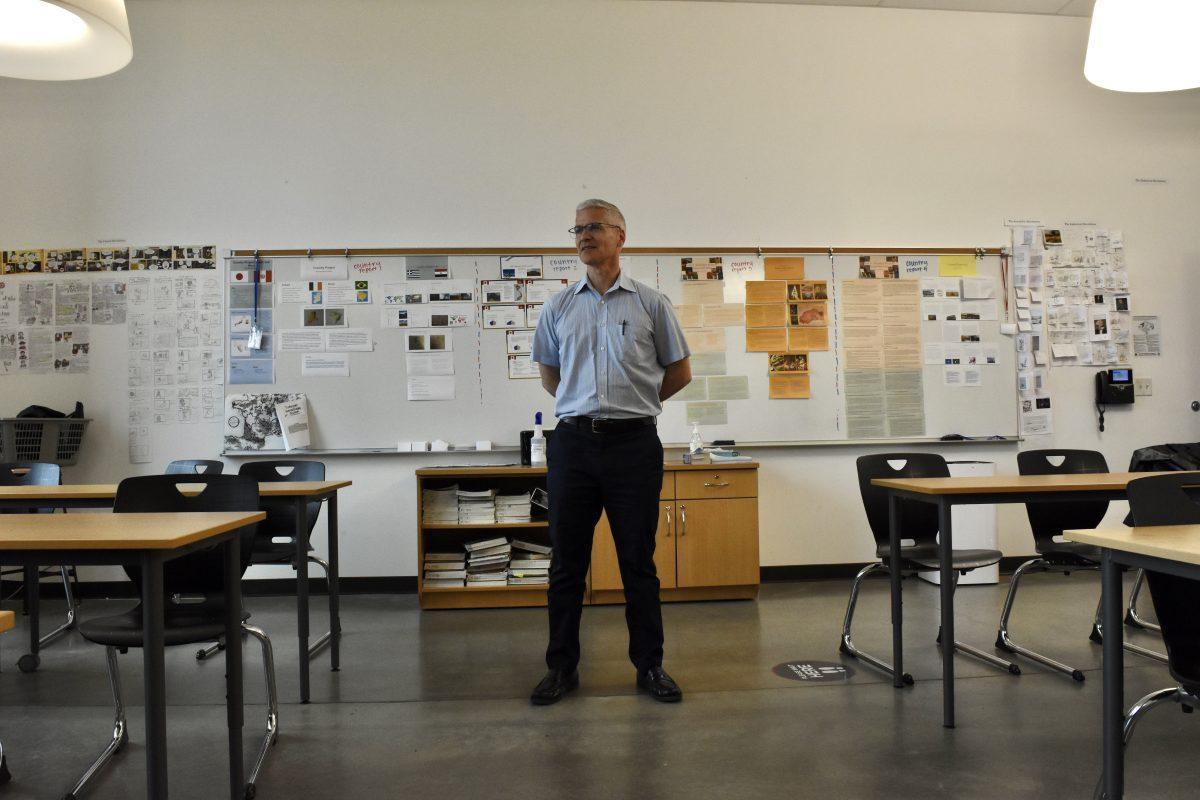
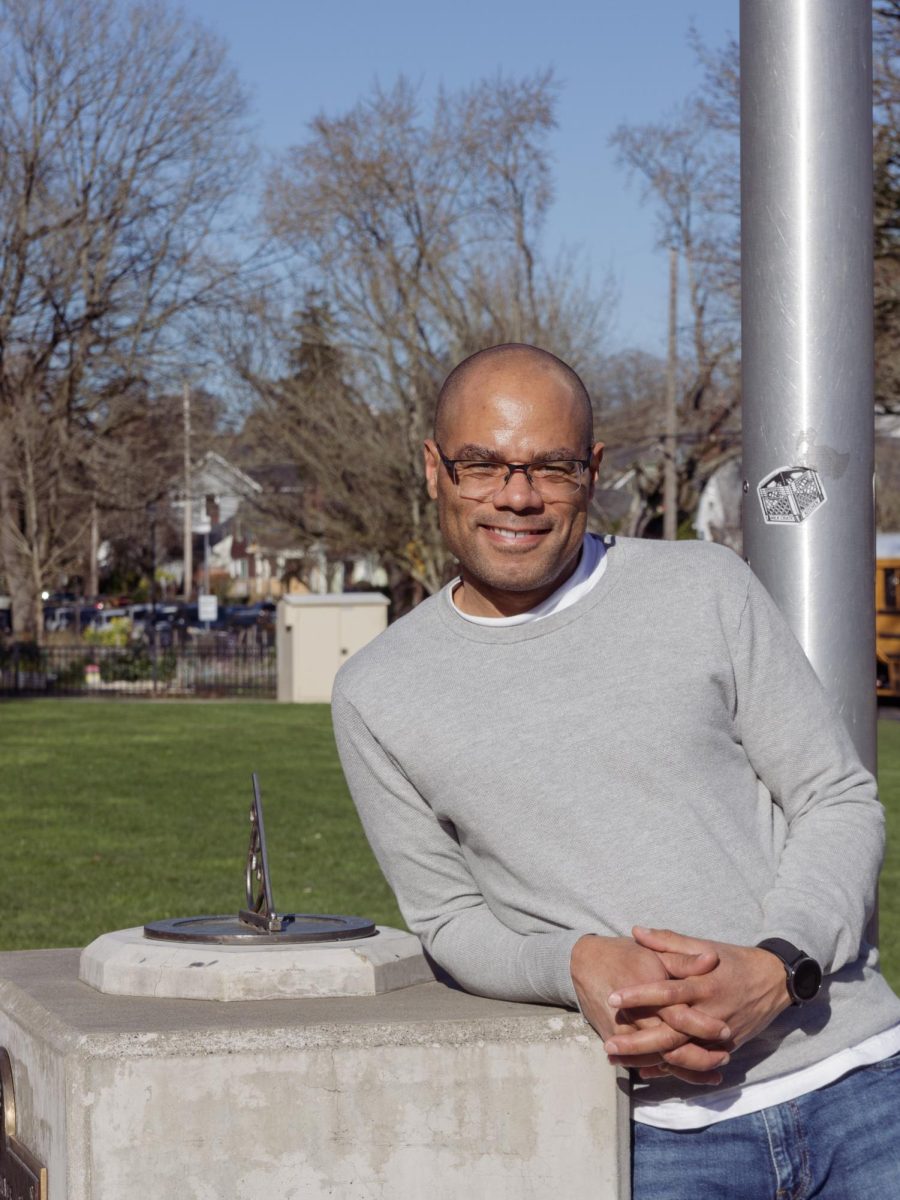
Warren McPherson, a fourth-year head coach of Grant High School’s wrestling program, has been wrestling since he was 7 years old, and has worked as an assistant coach on and off at various high schools for the past 20 years.
To McPherson, becoming the head coach of a high school team seemed like the natural progression of his wrestling career. He enjoys the environment at Grant, and writes that his athletes are “motivated, well-behaved and hardworking.”
As a coach, McPherson recognizes that the individual needs and strengths of his athletes allow each of them to thrive. Throughout his time coaching, he has observed a commonality among those willing to try new things: “(They) seem to have the most fun, positive experiences,” he writes. “And, to me, this is the greatest success.”
With his extensive experience, McPherson has a plethora of knowledge to offer in regards to achieving success in wrestling. To prepare for the season and sharpen their skills, students can join the pre-season practices in the fall. For individual practice, McPherson recommends that wrestlers stay active, run and lift weights. However, he believes that actually wrestling is the greatest way for students to improve. “The best way to learn the sport,” he writes, “is to put on some shoes, get a partner and get out on the mat.”
Students at Grant can expect to make the no-cut sport if they participate in practices and are willing to learn. Whether an athlete makes varsity, junior varsity or “X-Force” — Grant wrestling’s equivalent of a JV2 team — is determined by an intrasquad competition early in the season. As 14 weight classes must be filled, the best athlete of each weight class makes varsity, the next best makes junior varsity and the remaining students make X-Force. However, athletes are given multiple opportunities throughout the season to move up: either through placement in competitions or by challenging the wrestler above them to a “wrestle-off.”
Sean Brownhill
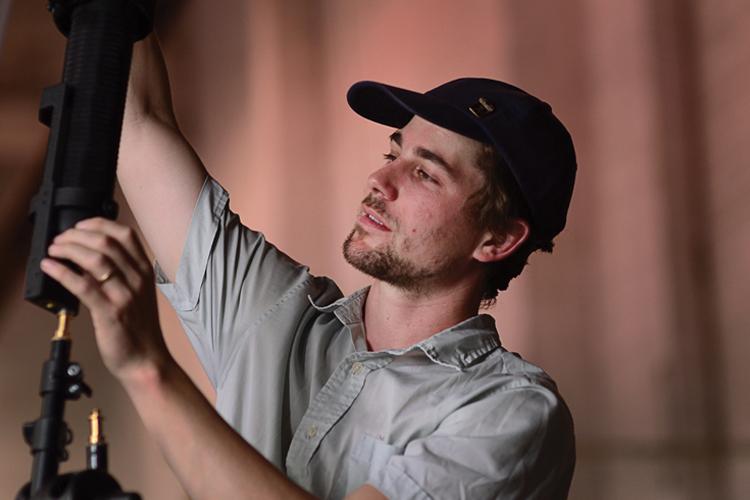
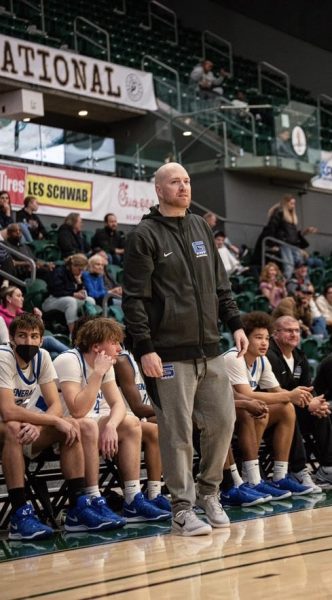
Since he was young, Sean Brownhill — now in his third year as Grant boys head basketball coach — has had a love for the game. Because of this passion, he felt that becoming a coach to lead others was the right choice. Brownhill believes that all athletes are different, but core traits he wants to see include a good work ethic, strong athletic skills and teamwork. While he says that there is no such thing as a perfect athlete, Brownhill jokes that his perfect athlete would be someone who is 6-foot-10 and can “really play.”
To prepare for the season, Brownhill pushes athletes to go out on their own to practice basketball and hone their skills. He recommends playing with others in parks, going to gyms and joining the outdoor pre-season conditioning training in the fall to gain first-hand experience with coaches and future teammates. The training also provides focused drills, strength training, weight training and speed work to get the players in shape for the season. According to Brownhill, conditioning for boys basketball at Grant includes a lot of running: “We run on the track, we’ll run on the bowl, we run on the football field. We do all sorts of different things,” he says.
With tryouts beginning in November this year, athletes can expect to show up for three days to showcase their skills. The tryouts are primarily made up of five-on-five games where athletes imitate real gameplay. Making a certain team is dependent on skill and grade level, but athletes who are dedicated to practicing on their own will often find improvement and results.
Miranda Tamayo
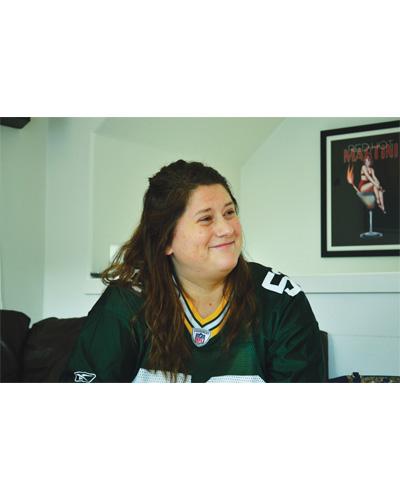
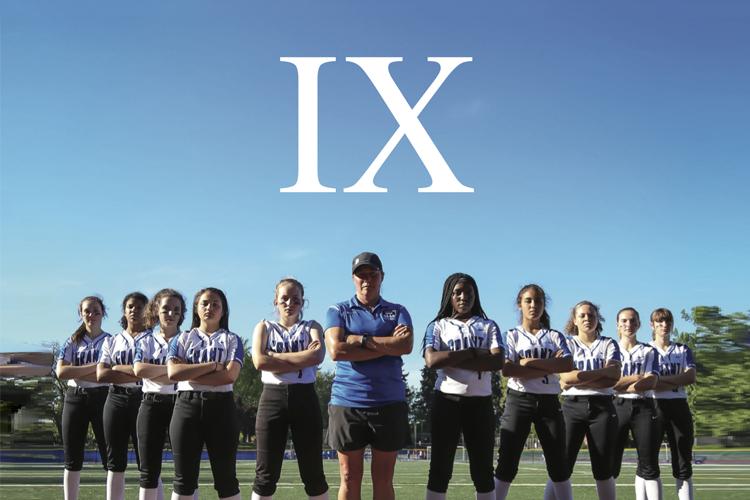
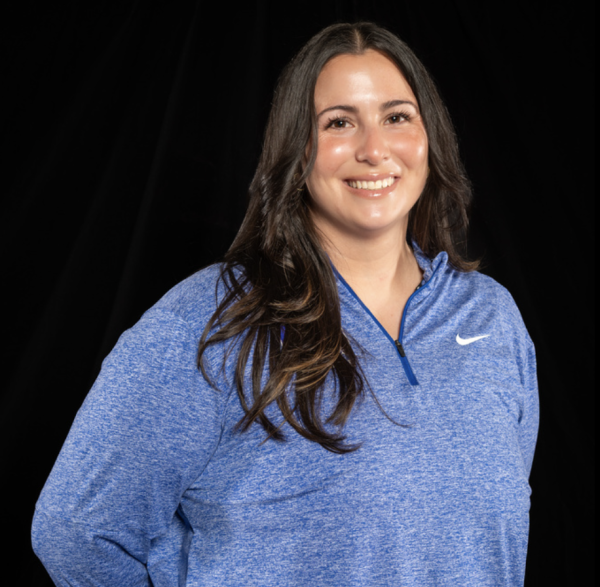
Miranda Tamayo, the second-year head softball coach at Grant, played softball throughout her youth, eventually moving on to coaching high school softball on the side while working as a teacher. After taking a break from 2017-2022, she realized how much she missed the sport, and was excited to take the open coaching position at Grant.
Tamayo emphasizes the importance of baseball and softball having equal opportunities. After a previous Grant softball head coach, Debbie Engelstad, learned that Grant’s remodel plans only contained blueprints for a new baseball field, the coach, along with the softball team, fought for a new softball field to be added to the plan. “Now baseball and softball have this equal playing field, and a lot of work has been done to make sure that that keeps going,” she says.
As a coach, Tamayo values athletes who are resilient, open-minded, unselfish and positive. Coaching a softball team that is able to support each other and have a strong sense of camaraderie is paramount to Tamayo. “We care a lot more about our kids as people than we do as athletes,” she says. “We want them to excel as people.”
To prepare for the season, athletes interested in softball can join the pre-season practices on certain Sundays in the fall, as well as winter conditioning, which can help them work to run, throw and catch quicker, along with getting to know their teammates. Additionally, pitchers and catchers can attend their own specialized trainings.
Tamayo recommends that, to improve skills on their own, athletes watch free coaching videos online or even throw a tennis ball against a wall to practice hand eye coordination. “If you really want to get better, doing things on your own in the off-season is the best way,” she says.
She encourages anyone who is interested to try out: “(Whoever) wants to come, whether you’ve played before or not, is totally welcome,” says Tamayo. She also says that she and the other coaches strive to create a welcoming, safe environment that helps students achieve their goals. Although softball is a no-cut sport, athletes take part in two to three days of tryouts in early March, a couple of weeks before the first game. “The first day, it’s mostly skills, like
hitting, catching, throwing, offense and defensive skills,” she says. “The next day, we’ll do a scrimmage to see everyone in a live game situation.”
In addition to standard practices, Tamayo suggests mental training, which she says players can “take into (their) life, and not just sports.” This mental training takes place on “Mentality Mondays” led by assistant coach Annika Thomas, who has a background in psychology. The training typically includes meditations, breathing exercises and tips on stress management.