


















Americans can often taste fall before they feel it. As the cold breeze of autumn draws near, many students at Grant High School can be seen with pumpkin-flavored drinks in their hands, and the trend only grows larger as the season progresses. For Grant sophomore Serai Avraham, it’s what she spends the rest of the year anticipating. “That’s kind of the only thing I like about fall,” she says, “except for Halloween.” Pumpkin spice is everywhere, but what’s actually in it?
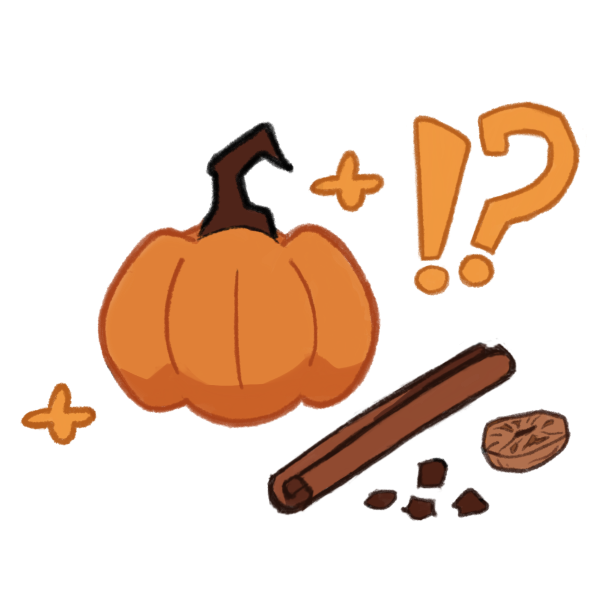
Pumpkin spice, fully known as “pumpkin pie spice,” refers to the combination of cinnamon, allspice, cloves, ginger and nutmeg traditionally used to flavor pumpkin pies. Though these spices have been used for a long time, they first came packaged as one in the 20th century by spice and extract manufacturer McCormick & Company. It was arguably Starbucks, however, that brought pumpkin spice into the cultural spotlight.
The famed Pumpkin Spice Latte (PSL) came about in 2003, when Starbucks was seeking to recreate the success of their first seasonal winter drink, the Peppermint Mocha. As of 2023, it’s the coffeehouse chain’s most popular seasonal drink. Starbucks has added multiple items to its pumpkin roster since, including the Pumpkin Cream Cold Brew in 2019 and the Pumpkin Cream Chai in 2023 — the latter of which is particularly popular among Grant students. However, the story of the PSL isn’t all sweet.
Despite its success, the PSL has been involved in various controversies. In 2014, popular food blogger Vani Hari made an expose revealing questionable ingredients inside the beverage. The article gained immense attention and was covered by numerous news sources including NBC News and USA Today. One of the concerns Hari rose was the presence of a Class IV caramel coloring which caused cancer in mice. Though the U.S. Food and Drug Administration deems the coloring as safe, its presence was still a concern to many consumers.
With that being said, what most media latched onto, and what is still debated today, was the fact that the PSL contained no pumpkin. Despite Starbucks stating they created the latte with pumpkin pie in mind, the drink included no actual pumpkin until 12 years after its release. When consumers complained in 2014, instead of correcting them by saying that the PSL technically didn’t need to contain pumpkin, Starbucks complied. A year later, the drink would be updated to contain pumpkin puree, with the controversial caramel coloring removed.
Though this recipe was changed, the situation raises a valid question about the perception and nature of pumpkin spice. Today, the terms pumpkin spice and pumpkin are often used interchangeably, despite being vastly different. It’s hard to tell where pumpkin ends and pumpkin spice begins.According to NielsonIQ, a research firm focused on global marketing, Americans spend over $500 million on pumpkin spice products each year. Other than Starbucks, brands such as Dunkin’ Donuts or Dutch Bros have done their part to capitalize on the spirit.
At its heart, however, the popularity of pumpkin spice comes down to its advertising. Though the ingredients are available all year, the fear-of-missing-out factor of exclusive products makes them much more profitable. In addition, holidays are important for business — it’s people’s emotions and behaviors that influence what they buy. The distinctive smell of the spice has allowed it to become a staple fall tradition; purchasing a pumpkin spice-themed product can be seen as a way for consumers to “get in the spirit.”
Pumpkin spice is not leaving fall any time soon, so why not enjoy the season until the inevitable peppermint storm arrives?