

















YouthLine, a mental health crisis line, is changing the game for youth nationwide. But what sets it apart from other crisis lines is that it is peer-to-peer: Anyone aged 10-24 can call asking for support, and a volunteer aged 15-24 will answer.
Founded in 2000, YouthLine has been a pivotal mental health resource for the last 25 years, supporting approximately 25,000 youth with the help of over 200 youth volunteers and young adult interns each year. The organization has call centers in Portland and Bend, as well as satellite locations in Portland and Warm Springs. It is also planning to start a call center on Maui, Hawai’i, in 2026. Although most locations and its headquarters are in Oregon, its services are available for youth nationwide. Callers can talk to youth volunteers from 4-10 p.m. daily, and with adults at any other time.
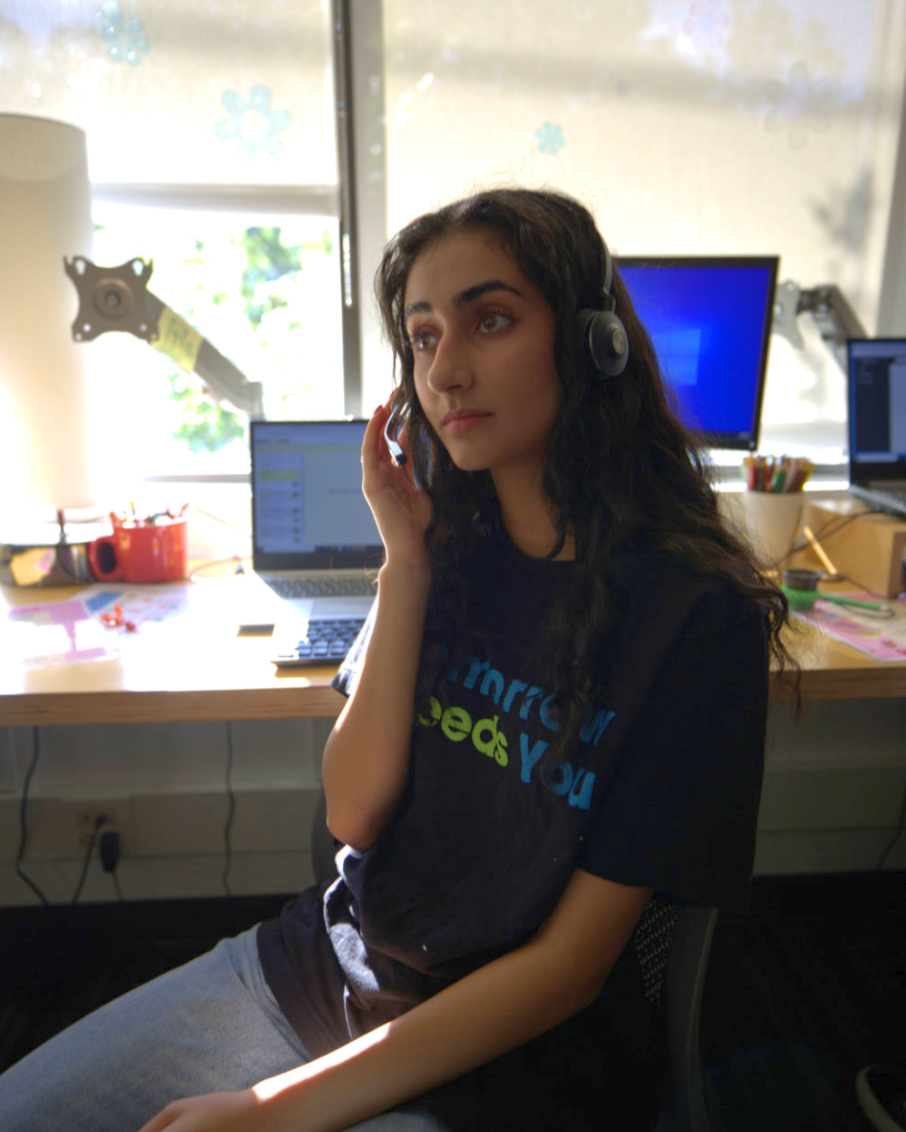
“Mental health stigma is a really big thing, and a lot of the resources that we have at schools aren’t meeting (teens’) needs adequately, because it’s … overgeneralized, it kind of gives a one-size-fits-all model,” says Sydney Chen, a senior at Adrienne C. Nelson High School in Happy Valley, Oregon. On Wednesdays after school, she works as a shift lead at YouthLine.
“My job is to ensure that volunteers basically are prepared (for) getting logged in,” Chen says. “I also help do shadow shifts with some of the newer volunteers. So like, doing roleplays on chat, call and text, and making sure they’re familiar with all of those platforms, as well as giving personalized feedback about their responses and how to better support contacts.”
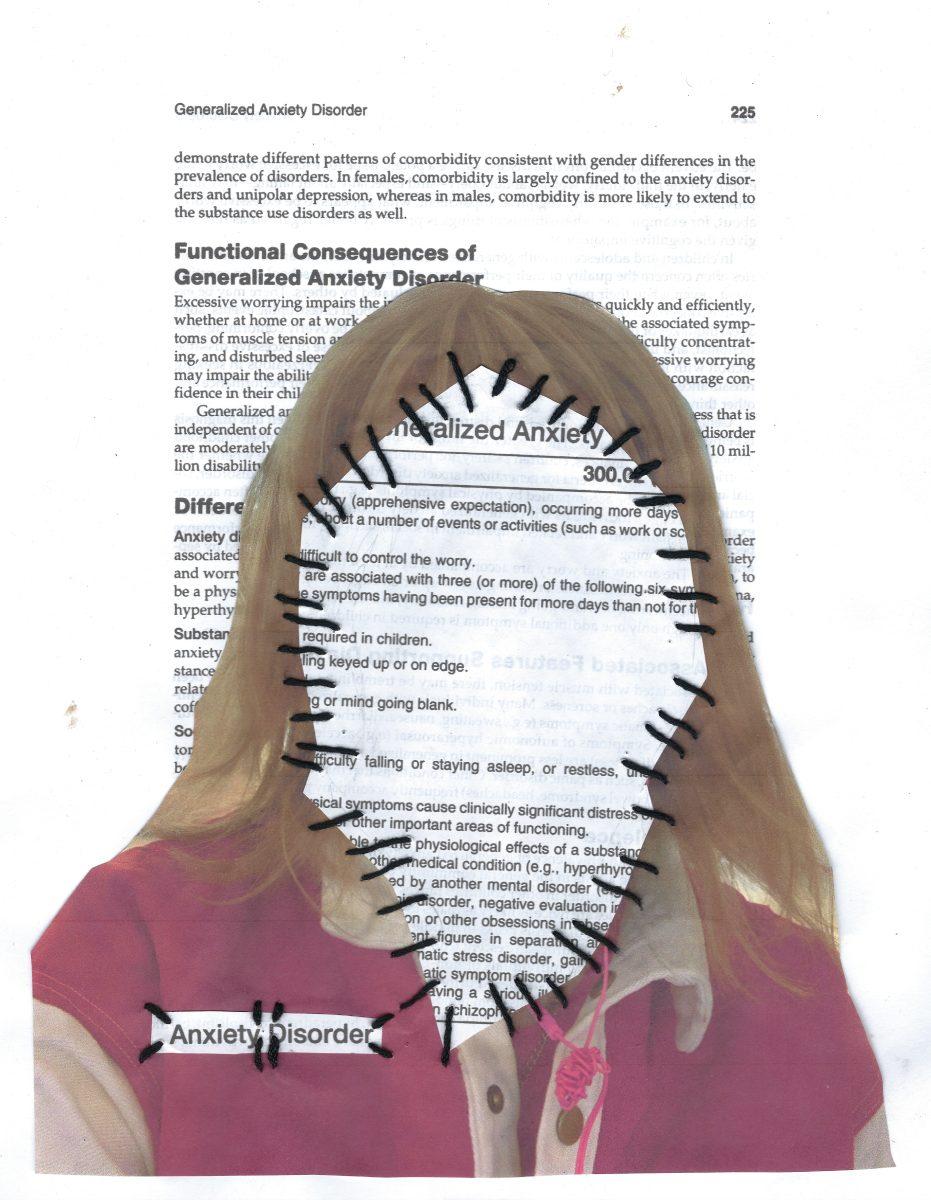
According to the Centers for Disease Control and Prevention, 40% of kids aged 12-17 in the U.S. felt persistent feelings of sadness between 2021 and 2023, and 20% had considered committing suicide. These statistics indicate that some 850 students face similar mental
challenges at Grant High School alone. In the U.S., 20% of youth receive mental health therapy; nevertheless, 20% of youth say they have unmet mental health needs. Mental health is a recurring and present issue for many adolescents. With so many factors present in a teenager’s life, including social pressures, school and family struggles, it is imperative to have support for emotional and mental challenges. “A lot of our contacts will say that they didn’t have super great experiences with the other crisis lines they reached out to, and a big part of that is just not being able to give enough personalized attention,” says Chen.
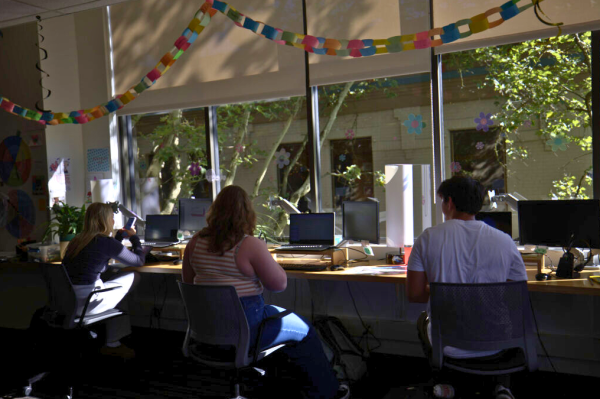
It can be difficult for youth to connect with adults about their problems, as differences in age can lead to differences in perspective that diminish adolescent experiences. “I think just having that stigma (removed) kind of removes a little bit of that pressure, because you get to talk to someone who’s actually your age, who understands what you’re going through,” says Chen. Adults understand this as well; that’s the reason that YouthLine was started. “I could imitate a teenager if I had to, but that connection really isn’t there unless it’s teens and teens, and so I thought that was pretty cool and unique,” says Sara Pekny, a clinical supervisor at YouthLine.
Becoming a volunteer at YouthLine is no easy feat. After attending an orientation, volunteers go through over 40 hours of training. These sessions are often at times when students have more free time, such as during school breaks. In these training sessions, volunteers learn what to do in certain situations and learn how to use YouthLine’s technology. They also gain knowledge on mental health topics that they may not have learned otherwise: “A lot of the ideas that I previously had about what maybe depression or anxiety or even suicidal ideation looked like, I realized that that could be so different for everyone,” says Chen.
After completing training, volunteers shadow shifts and roleplay with shift leads. Once volunteers have gone through immense amounts of this training, they sign up for real shifts. These shifts run from 4 p.m. to 6:45 p.m. and 6:45 p.m. to 10 p.m., and volunteers work one shift a week. Volunteer schedules are flexible, and adult staff often fill in on holidays. “It’s literally open every day, even on the holidays. Some of the clinical supervisors will be there on Thanksgiving, like I’ll be there on Thanksgiving,” says Pekny. “I won’t be there on Christmas… But I definitely know some of my coworkers are like, ‘No, someone needs to be here, so I’m gonna be here.’”
As YouthLine works to forge connections between volunteers and callers, it has also fostered a community of its own within the volunteers and staff. Like a job, each volunteer has coworkers, or co-volunteers, who are there with them for a shift. “Everyone is so welcoming, and it doesn’t really feel like, ‘Oh I’m the lead, I’m in charge of them.’ It just feels like we’re both here to do the same thing, because we’re both passionate about it,” says Chen. Every volunteer wants to be there and uplift each other, because in emotionally heavy work such as YouthLine, a strong community is key.
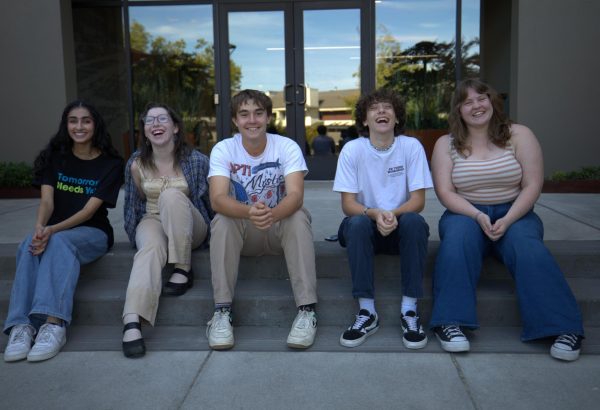
While working at YouthLine, volunteers and staff learn how to speak to others with more empathy and understand each other, gaining real world experience in the process. “Learning to read people and better understand their needs in those situations, and just showing up in whatever way you can … that’s a really critical skill that we learn,” says Chen. Sometimes callers can act unexpectedly, even going as far as to swear at the volunteers, but regardless of the behavior on the other end of the line, YouthLine volunteers are trained to handle it. They can transfer that poise to their everyday lives, and use it in their future careers as well.
Collaboration is another skill that YouthLine volunteers gain, especially while working with the professionals in the organization. “I’ll be like, ‘Oh, you could say something like this,’ and then they take it and they make it their own … it’s always about communicating about the contact, so (there’s) lots of collaboration,” Pekny says.
Pekny encourages anyone aged 15-24 to seriously consider volunteering with YouthLine, especially if they have an interest in mental health and helping people navigate through difficult times. “If you’re like, ‘I know I want to go into the mental health field, where do I start?’ You could start volunteering at YouthLine,” she says. “Jobs, for the most part when you grow up, are mostly interacting with people in some way or another.”
While volunteering is a great opportunity, YouthLine is also a great resource for anyone needing help. Regardless of the issue someone is struggling with, whether it’s relationship problems or troubles in school, YouthLine is a steady support.