

















Micah Helms
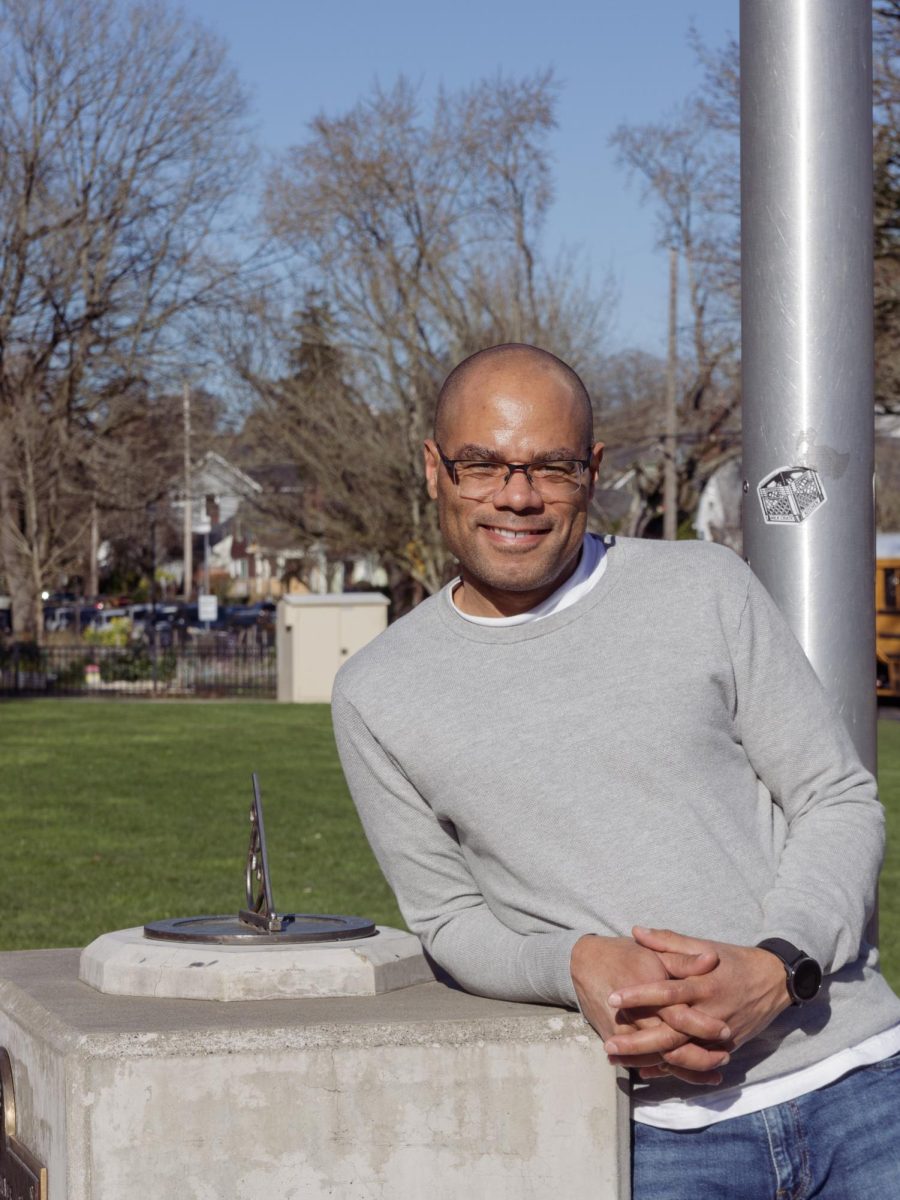
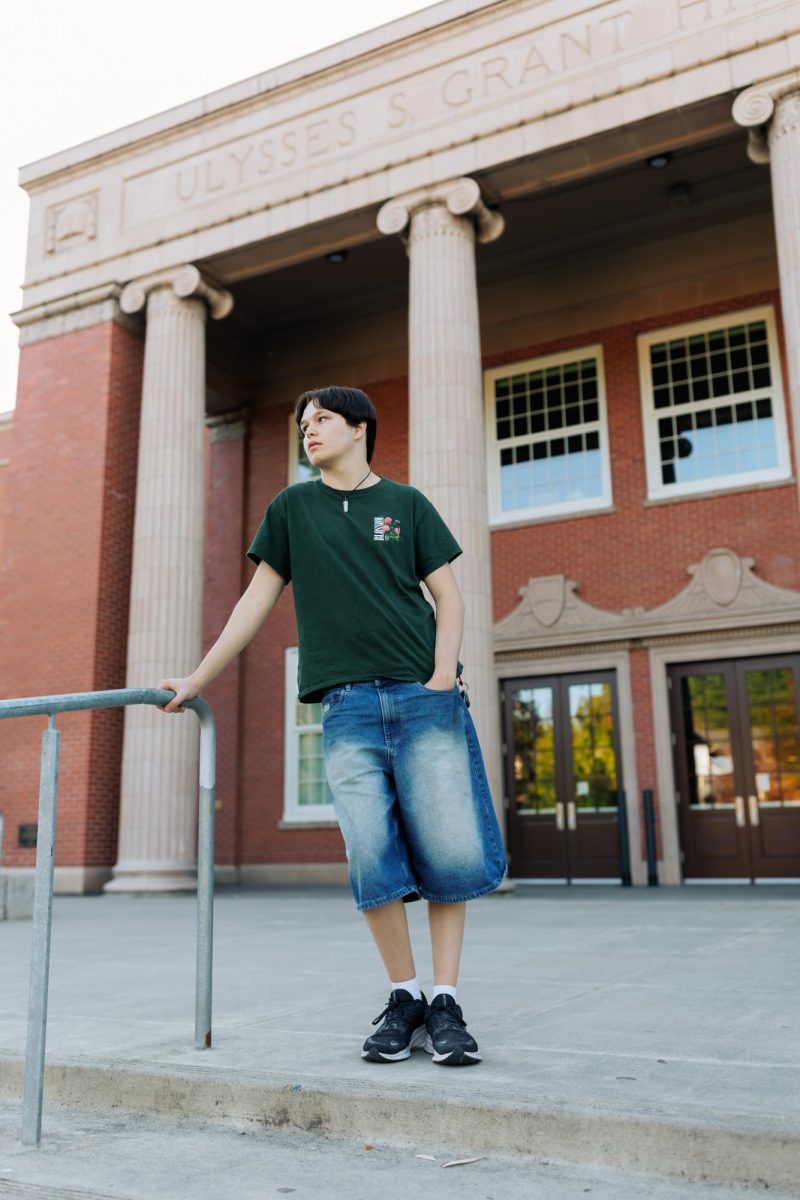
Micah Helms, a senior at Grant High School, describes his fashion as casual and simple. He appreciates versatile clothing that can be worn in a variety of situations, such as going to school, hanging out with friends and working at his part-time job. “I think I could go into a job interview wearing this, but could also hang out with my friends,” he says. “I dress simple and it makes it easy to go places. It’s also a form of confidence.”
One of Helms’ favorite places to shop at is a popular retail store in downtown Portland called MUJI. The shop sells a variety of clothing, furniture and stationery imported from Japan.
Helms recalls feeling limited by his wardrobe and unable to fully express himself in the past. But, as he began dedicating more attention to his appearance, he was able to find clothes that were representative of himself. “I don’t think there should be boundaries for fashion unless you’re wearing something that’s directly offensive to people,” he says. “I don’t think there’s any reason you should limit yourself.”
Aspen Coma-Rice
Freshman Aspen Coma-Rice describes their style as “alternative, DIY and Y2K.” They say that they are drawn to fashion because it allows them to express who they are creatively — what makes Coma-Rice’s style unique is their interest in sustainability and innovation through fashion. They have been making and altering their own clothes for about three years.
“I remember the first time I made clothes for myself … I shortened a skirt, and I remember wearing it and just feeling so like, ‘I did that.’ It’s become an addiction. I can’t stop altering my clothes,” says Coma-Rice.
They draw inspiration from fashion icons like Madonna and Joan Jett. While incorporating ideas from these artists, Coma-Rice brings their own unique flair to everyday outfits. “It’s a way to get other people to see me how I see me,” they say. “This is who I am.”

Bird Bailey
Sophomore Bird Bailey layers their clothes to achieve a comfortable, ‘60s-inspired style. When they were younger, Bailey enjoyed playing online dress-up games and styling paper dolls. To them, fashion isn’t just clothing — it’s a form of self-expression. “I feel like there’s a lot of fashion cultures; they’re attached to music and stuff,” they say. “That definitely has a part in it.”
Bailey gets their clothes from thrift stores and often borrows from their parents. They say that they refine their style to attract people who are similar to them: fashionable and unique. “I dress for me, and I think the way that I dress is appealing to the kind of people that I like to be around,” says Bailey.
They advise other students to find a style that they enjoy but stay true to their fashion. “Always be inspired by people, but don’t try and copy a certain look,” they say. “You really want to go for something that you feel comfortable in and like yourself in.”

Mia Kraft
Senior Mia Kraft describes her style as expressive and colorful. She recalls dressing up paper dolls when she was younger, which piqued her interest in fashion. Kraft’s vibrant childhood helped her later hone her creative skills at thrift stores, inventing new and authentic outfits for her everyday life.
“I think a big part of (my fashion) is generally expressing myself and also being able to feel comfortable walking around and feeling confident in myself,” she says.
Kraft acknowledges that the pressure that comes with societal expectations can make it difficult for people to express themselves authentically, but she encourages students to push beyond that. “Don’t listen to the people who make fun of you,” she says. “I think that really impacts people, and it’s so hard to navigate around society by just trying to fit in with what people want and what people expect, because you’re never, ever going to become what everybody wants.”
Melody Rockwell
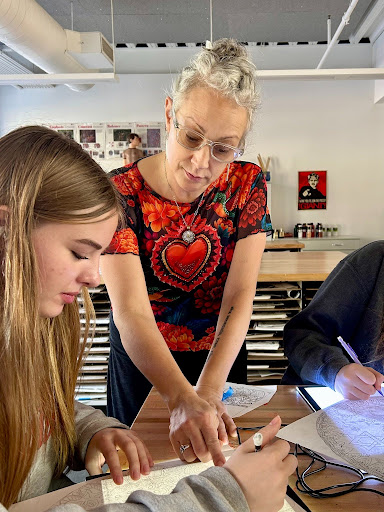
Melody Rockwell, an art teacher at Grant, describes her style as “lazy, urban and artsy.” She has been engrossed in fashion throughout her life — she experimented with style at a young age and even modeled in her early twenties. As she’s grown, her style has changed. “I definitely have gotten more casual as I’ve gotten older,” she says. “I used to not be willing to leave the house without making sure everything was exactly perfect.” Like many, Rockwell sees fashion as a form of self-expression. “It’s an expression of who you are and how you want to present yourself to the world … I mean the saying, ‘don’t judge a book by its cover’ — but we all do a little bit,” she says. Rockwell advises students to be individualistic. “Don’t always follow every trend, because you can’t keep up with all the trends,” she says. “It’s better to have a few good pieces than a lot of cheap pieces. Be conscious of the fashion industry.”