
















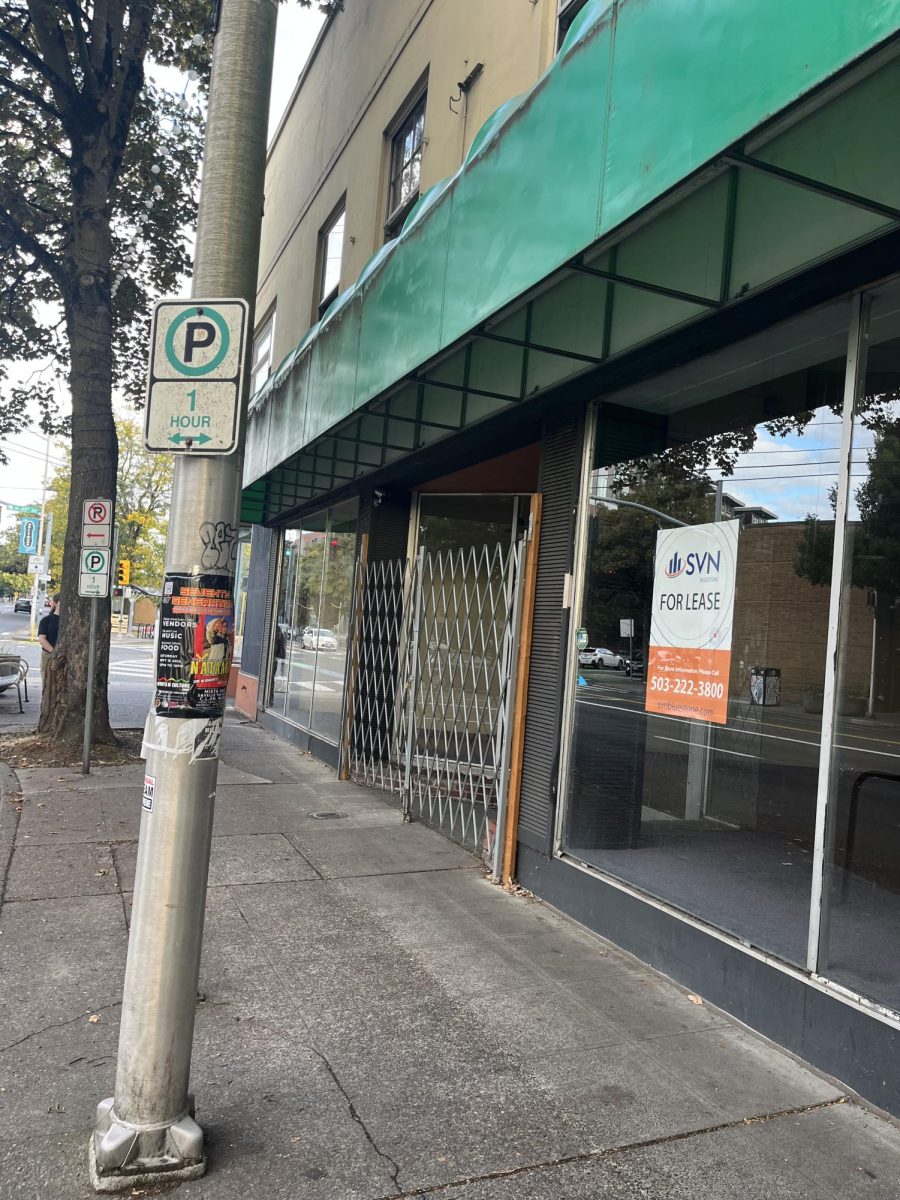
Portland is the largest city in Oregon, but that wouldn’t be obvious by looking at some of its once-iconic neighborhoods. The Hollywood District is centered around bustling Sandy Boulevard, a seemingly ideal spot to run a business with its close proximity to multiple neighborhoods and heavy foot traffic. Except today, Sandy looks more like a commercial graveyard than an inviting place to shop. The street is littered with vacant storefronts, many with old signs hanging above them like headstones. So, what happened to the Hollywood District?
Like nearly every other city in the U.S., Portland was rocked by the COVID-19 pandemic and is still suffering from its lingering effects. There’s a multitude of issues that could be to blame for the withering of its commercial districts since.
According to U.S. census data, Portland’s population decreased by over 4,000 residents between 2022 and 2023. As of 2024, the city had lost over 20,000 residents since the onset of the pandemic. This decline in customer base and general lack of foot traffic has been a huge blow to brick and mortar stores. According to a Portland City Task Force tax advisory, rising property taxes have also made it difficult for retailers to stay afloat, and have decreased the disposable income for potential customers.
For years, many Portlanders have called upon the city government to support the refurbishment of the neighborhood. City Council President Elana Pirtle-Guiney’s goal is to do just that, by increasing foot traffic and cleaning up vandalized storefronts. She also acknowledges crime as an issue within the neighborhood, but explains that crime prevention isn’t going to be its own focus in rebuilding the business district.
Pirtle-Guiney is also hopeful that new apartment buildings in the neighborhood will help build up the community. “We know that what makes a business district successful is having enough people who live nearby who shop locally,” she says.
The iconic Hollywood Theater, a movie theater in the heart of the Hollywood District, has gone through its fair share of rough patches over the near century it’s been operating — the technological evolution of the film industry, the sudden takeover of television and the COVID-19 pandemic — yet it has managed to keep its relevancy. The theater’s director of education, Ted Hurliman, attributes this long-standing success to its ability to“stay abreast of technology” and its strong connection to the community.
Today, Hurliman sees the theater as “the high point” of the neighborhood while everything else is “falling into despair.” He believes that the district’s close proximity to the MAX station only worsens the public perception of it being “a dark area of town that might not be safe” for customers to shop in. What’s more, according to Hurliman, many of the difficulties new businesses face are due to a lack of cohesion in the neighborhood. The Hollywood District is “disjointed,” he says; it’s hard to draw customers in when all the surrounding businesses have their own niche.
The Hollywood Theater aims to help unify the district by leasing some of its properties to local film-related businesses. The theater purchased Portland’s last movie rental store, Movie Madness, when its founder, Mike Clark, was looking to retire in 2017. The theater is currently working on moving Movie Madness’ Belmont location to a lot in the Hollywood District. Hurliman hopes continuing this process will breathe new life into the neighborhood.
Hurliman attributes the theater’s ability to not only remain, but thrive in this past century to its unique connection to Portland’s culture, something which residents feel immense pride for. Through the years, the area has been tested, yet the Hollywood Theater has cemented itself as a cornerstone of the community and its ideas. It’s this drive, at a larger scale, that Hurliman and Pirtle-Guiney believe could revive the district.